Airtel Axis Bank Visa Credit Card vs Axis Bank Fibe Rupay Credit Card: Which is Better in 2026?
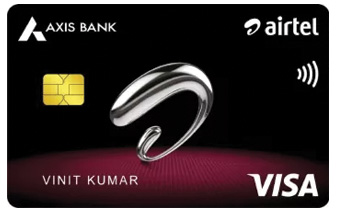 vs
vs

The Airtel Axis Bank Visa Credit Card and the Axis Bank Fibe Rupay Credit Card offer distinct benefits tailored to different user preferences. While the Airtel card has a joining fee and provides complimentary lounge access, the Fibe card has no fees and offers cashback on specific categories.
Comparison notes and quick badges use AI, grounded in the benefit data shown in the table. Confirm details on each issuer’s site.
Last updated:
| Feature | Airtel Axis Bank Visa Credit Card | Axis Bank Fibe Rupay Credit Card |
|---|---|---|
| Bank | Axis Bank | Axis Bank |
| Network | Visa | Rupay |
| Joining fee | Joining Fee of Rs.500 | Joining Fee - Nil |
| Annual / renewal fee | Second Year Onwards Annual Fee of Rs.500 | Annual Fee - Nil |
| Annual fee waiver | Spend Rs.2 Lakhs For Annual Fee Waiver | — |
| Reward rate (headline) | — | — |
| Lounge — domestic | Enjoy 4 Complimentary Lounge Per Calendar Year | 1 Complimentary Airport Lounge Access Per Quarter |
| Lounge — international | — | — |
| Fuel surcharge waiver | — | — |
| Welcome benefit | Get Amazon eVoucher Worth Rs.500 on First Transaction | — |
| Milestone benefit | — | — |
| Foreign currency markup | 3.50% - Foreign Currency Transactions | 3.50% - Foreign Currency Transactions |
Which is better for rewards?
For rewards, the Axis Bank Fibe Rupay Credit Card stands out due to its cashback offerings, including 3% on food delivery and entertainment, as well as 1% on all other spends. In contrast, the Airtel Axis Bank Visa Credit Card lacks any rewards program, making it less appealing for users focused on earning rewards through their spending.
Which is better for travel?
When it comes to travel benefits, the Airtel Axis Bank Visa Credit Card provides more value with 4 complimentary domestic lounge accesses per year, compared to only 1 quarterly access offered by the Fibe card. This makes the Airtel card a better choice for frequent travelers looking to enjoy lounge facilities.
Which has lower effective cost?
In terms of effective cost, the Axis Bank Fibe Rupay Credit Card is more economical as it has no joining or annual fees. The Airtel Axis Bank Visa Credit Card, on the other hand, charges a joining fee of Rs.500 and an annual fee of Rs.500 after the first year, which can be waived with a minimum spend.
Who should pick Airtel Axis Bank Visa Credit Card?
Consider Airtel Axis Bank Visa Credit Card if you frequently travel and value lounge access, as it offers more complimentary visits per year compared to the Fibe card. Additionally, if you are okay with a nominal fee for enhanced travel benefits, this card may suit you well.
Who should pick Axis Bank Fibe Rupay Credit Card?
Consider Axis Bank Fibe Rupay Credit Card if you prefer a no-fee structure and want to earn cashback on everyday spending, particularly in food delivery and entertainment. This card is ideal for those looking for straightforward rewards without the burden of annual fees.
Frequently Asked Questions
The joining fee for the Airtel Axis Bank Visa Credit Card is Rs.500.
The Axis Bank Fibe Rupay Credit Card offers 1 complimentary airport lounge access per quarter.
Yes, the annual fee can be waived if you spend Rs.2 Lakhs in a year.
The Fibe Rupay Credit Card offers 3% cashback on food delivery and entertainment, and 1% on all other spends.