Hdfc Bank Millennia Credit Card Visa vs Sbi Card Visa Cashback Credit Card: Which is Better in 2026?
 vs
vs
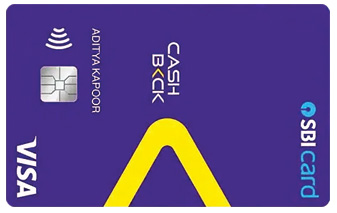
The Hdfc Bank Millennia Credit Card Visa and the Sbi Card Visa Cashback Credit Card are both Visa network cards with similar joining and renewal fees around Rs.1000. While the HDFC Millennia card offers targeted cashback benefits on select online platforms and a quarterly milestone voucher, the SBI Cashback card provides straightforward cashback on online and offline spends with a cap. Both cards charge a 3.5% forex markup and offer a 1% fuel surcharge waiver. Neither card includes lounge access or welcome benefits beyond the HDFC card's CashPoints.
Comparison notes and quick badges use AI, grounded in the benefit data shown in the table. Confirm details on each issuer’s site.
Last updated:
| Feature | Hdfc Bank Millennia Credit Card Visa | Sbi Card Visa Cashback Credit Card |
|---|---|---|
| Bank | HDFC Bank | SBI Cards |
| Network | Visa | Visa |
| Joining fee | Joining Fee of Rs.1000 | Joining Fee of Rs.999 |
| Annual / renewal fee | Renewal Fee of Rs. 1000 | Renewal Fee of Rs.999 |
| Annual fee waiver | Spend Rs.1 Lakh For Renewal Fee Waiver | Spend Rs.2 Lakhs For Waiver of Renewal Fee |
| Welcome benefit | Welcome Benefit - Rs.1000 CashPoints | — |
| Foreign currency markup | 3.50% - Foreign Currency Transactions | 3.5% - Foreign Currency Transactions |
Which is better for rewards?
For rewards, the Hdfc Bank Millennia Credit Card Visa stands out with its 5% cashback on popular online platforms like Amazon, Flipkart, and Zomato, plus a quarterly milestone benefit of Rs.1000 worth gift vouchers on spending Rs.1 lakh. In contrast, the Sbi Card Visa Cashback Credit Card offers a simpler cashback structure of 5% on online spends and 1% on offline spends but caps total cashback at Rs.5000 per statement cycle. Therefore, the HDFC card may be more rewarding for frequent shoppers on specific platforms, while the SBI card suits users preferring a straightforward cashback model.
Which is better for travel?
Both cards have similar travel-related features, including a 3.5% foreign currency markup fee and a 1% fuel surcharge waiver. Neither card offers domestic or international lounge access, concierge services, or other travel perks. Hence, from a travel benefits perspective, both cards are on par and primarily suited for occasional travelers who can manage forex fees and appreciate the fuel surcharge waiver.
Which has lower effective cost?
The joining and renewal fees are nearly identical, with the HDFC card charging Rs.1000 and the SBI card Rs.999. The HDFC card offers a renewal fee waiver on spending Rs.1 lakh, whereas the SBI card requires Rs.2 lakhs for the waiver, making the HDFC card's waiver threshold more accessible. Both cards have the same 3.5% forex markup, and neither offers additional fee concessions. Overall, the HDFC card may be slightly more cost-effective for users who meet the renewal waiver criteria.
Cashback Structure and Caps
The HDFC Millennia card offers 5% cashback on select online merchants without a stated cap, plus a quarterly milestone voucher, providing potentially higher rewards for targeted spending. The SBI Cashback card provides 5% cashback on online spends and 1% on offline spends but caps total cashback at Rs.5000 per statement, which may limit rewards for high spenders.
Renewal Fee Waiver Threshold
The HDFC Millennia card requires Rs.1 lakh spend for renewal fee waiver, which is more attainable compared to the SBI Cashback card's Rs.2 lakhs requirement. This difference can impact the effective cost of holding the card depending on your spending habits.
Who should pick Hdfc Bank Millennia Credit Card Visa?
Consider Hdfc Bank Millennia Credit Card Visa if you frequently shop online on platforms like Amazon, Flipkart, and Zomato and want higher cashback rewards on these spends. It is also suitable if you can leverage the quarterly milestone vouchers by spending Rs.1 lakh every quarter, making it more rewarding for targeted cashback benefits.
Who should pick Sbi Card Visa Cashback Credit Card?
Consider Sbi Card Visa Cashback Credit Card if you prefer a simple cashback structure with 5% on online spends and 1% on offline spends, and you are comfortable with a cashback cap of Rs.5000 per statement. This card is also a good choice for beginners looking for straightforward rewards without milestone conditions.
Frequently Asked Questions
The Hdfc Bank Millennia Credit Card Visa has a joining and renewal fee of Rs.1000 each, while the Sbi Card Visa Cashback Credit Card charges Rs.999 for both joining and renewal.
Only the Hdfc Bank Millennia Credit Card Visa offers a welcome benefit of Rs.1000 CashPoints. The Sbi Card Visa Cashback Credit Card does not have any welcome benefits.
Both cards charge a 3.5% foreign currency markup fee on foreign currency transactions.
Yes, both cards offer a 1% fuel surcharge waiver on fuel transactions.
The HDFC Millennia card offers 5% cashback on select online platforms such as Amazon, Flipkart, and Zomato, plus 1% on other spends. The SBI Cashback card provides 5% cashback on online spends and 1% on offline spends, with a maximum cashback cap of Rs.5000 per statement.
The HDFC Millennia card waives the renewal fee if you spend Rs.1 lakh, whereas the SBI Cashback card requires a higher spend of Rs.2 lakhs for the renewal fee waiver.