HSBC Visa Platinum Credit Card vs Rbl Platinum Maxima Plus Card: Which is Better in 2026?
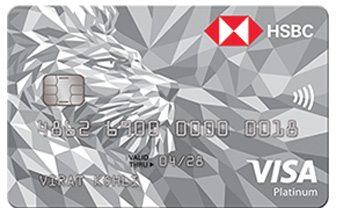 vs
vs

The HSBC Visa Platinum Credit Card and the RBL Platinum Maxima Plus Card both offer rewards and travel benefits but cater to different user preferences. HSBC’s card focuses on earning accelerated reward points on flights, hotels, and car rentals with no joining or renewal fees. In contrast, RBL’s card emphasizes higher reward points on international spends, dining, entertainment, and groceries, with complimentary domestic lounge access but comes with a renewal fee.
Comparison notes and quick badges use AI, grounded in the benefit data shown in the table. Confirm details on each issuer’s site.
Last updated:
| Feature | HSBC Visa Platinum Credit Card | Rbl Platinum Maxima Plus Card |
|---|---|---|
| Bank | HSBC | RBL Bank |
| Network | Visa | MasterCard |
| Joining fee | Joining Fee - Nil | — |
| Annual / renewal fee | Renewal Fees - Nil | Annual Fee of Rs.2500 |
| Reward rate (headline) | Earn 2X Reward Points on Car Rentals | 5X Reward Points on Entertainment |
| Lounge — domestic | — | 2 Complimentary Airport Lounge Access Per Quarter |
| Welcome benefit | Earn 2000 Bonus Reward Points | Welcome Benefit - 10000 Reward Points |
| Milestone benefit | — | Earn 10000 Reward Points on Spend of Rs.2 Lakhs; Earn 10000 Bonus Reward Points on Spend of Rs.3.5 Lakhs |
| Foreign currency markup | 3.5% - Foreign Currency Transactions | 3.5% - Foreign Currency Transactions |
Which is better for rewards?
When it comes to rewards, the RBL Platinum Maxima Plus Card offers a broader range of accelerated points including 5X points on international purchases, dining, entertainment, and grocery, making it more versatile for diverse spending habits. HSBC Visa Platinum focuses on travel-related rewards with 4X points on flights and 6X on hotels, which is beneficial for frequent travelers. Additionally, RBL provides milestone bonuses on high spends, which can significantly boost rewards for big spenders. Overall, RBL’s card provides a more rewarding structure for varied categories, while HSBC’s card is more travel-centric.
Which is better for travel?
Both cards offer travel-related benefits but differ in lounge access and reward focus. The RBL Platinum Maxima Plus Card includes 2 complimentary domestic airport lounge visits per quarter, enhancing travel comfort. HSBC does not list any lounge access but offers reward points that can be redeemed for multiple international airline partners and hotel chains, which is valuable for frequent flyers. The travel rewards on HSBC are more concentrated on flights and hotels, whereas RBL’s card rewards international purchases broadly. Hence, travel benefits are balanced between lounge access and reward versatility.
Which has lower effective cost?
The HSBC Visa Platinum Credit Card has a clear advantage in fees with no joining or renewal charges, making it cost-effective for users who prefer a fee-free card. On the other hand, the RBL Platinum Maxima Plus Card charges a renewal fee of Rs. 2500, which could offset some benefits unless the user maximizes rewards and lounge access. Both cards have the same forex markup fee of 3.5%, so foreign transaction costs are identical. Overall, HSBC’s card is better suited for cost-conscious users or beginners who want to avoid annual fees.
Reward Redemption Options
HSBC Visa Platinum offers reward redemption with several international airlines and hotel loyalty programs, including Qantas Airways, Singapore Airlines, and Wyndham Hotels & Resorts, which is beneficial for frequent travelers looking to convert points into air miles or hotel stays. RBL’s redemption options are not detailed here, so checking the issuer’s site is recommended for more information.
Lounge Access Benefits
RBL Platinum Maxima Plus Card provides 2 complimentary domestic airport lounge accesses per quarter, which can enhance travel comfort significantly. HSBC Visa Platinum does not list any lounge access benefits, making RBL’s card more attractive for travelers who value lounge privileges.
Fee Structure and Waivers
HSBC Visa Platinum Credit Card has no joining or renewal fees, simplifying cost considerations for users. RBL Platinum Maxima Plus Card has a renewal fee of Rs. 2500, with no fee waiver details provided. Users should evaluate if the rewards and benefits justify this cost.
Who should pick HSBC Visa Platinum Credit Card?
Consider HSBC Visa Platinum Credit Card if you prefer a no-fee credit card with strong travel-related rewards focused on flights, hotels, and car rentals. It is suitable for users who want to avoid joining and renewal fees while still earning bonus points and enjoying benefits like a complimentary Swiggy One membership and fuel surcharge waiver. This card is ideal for moderate spenders who value travel rewards without additional costs.
Who should pick Rbl Platinum Maxima Plus Card?
Consider RBL Platinum Maxima Plus Card if you are a frequent international spender or someone who spends heavily on dining, entertainment, and groceries. This card suits users who can leverage the 2 complimentary domestic lounge visits per quarter and milestone reward points on high spends to offset the renewal fee. It is a good choice for those who want a versatile rewards program and are comfortable paying an annual fee for enhanced benefits.
Frequently Asked Questions
No, the HSBC Visa Platinum Credit Card has no joining or renewal fees.
Both HSBC Visa Platinum and RBL Platinum Maxima Plus Cards charge a forex markup fee of 3.5% on foreign currency transactions.
The RBL Platinum Maxima Plus Card offers 2 complimentary domestic airport lounge accesses per quarter. HSBC Visa Platinum does not provide lounge access benefits.
The RBL Platinum Maxima Plus Card offers milestone rewards with bonus points on spending thresholds, whereas HSBC Visa Platinum does not have milestone benefits.
HSBC Visa Platinum offers 4X reward points on flights, 6X on hotels, and 2X on car rentals.
HSBC Visa Platinum offers a fuel surcharge waiver up to Rs. 250. There is no fuel surcharge waiver mentioned for RBL Platinum Maxima Plus Card.