
 vs
In short: Axis Freecharge Plus has the lower annual fee (₹350 vs ₹499); both charge a 3.5% forex markup.
| Key facts | Axis Ace | Axis Freecharge Plus |
|---|---|---|
| Annual fee | ₹499 | ₹350 |
| Joining fee | ₹499 | ₹350 |
| Annual fee waived | On ₹2 lakh annual spend | On ₹50,000 annual spend |
| Top reward rate | 5% Cashback on Bill Payments Through Google Pay | 5% Cashback on Freecharge Spends |
| Base rewards | 1.5% Cashback on Other Eligible Merchants | 1% Cashback on all other spends |
| Lounge access | 4 airport lounge visits a year | Not listed |
| Forex markup | 3.5% | 3.5% |
From issuer benefit data, checked 16 Nov 2026. Milestones, welcome benefits and caps are in the full table below.
On ₹20,000 a month with ₹5,000 at each card's top rate, Axis Ace returns about ₹751 more a year after annual fees (₹5,700 vs ₹4,800 in rewards).
| Spend profile | Axis Ace | Axis Freecharge Plus |
|---|---|---|
| Reward value: top rate / base rate | 5% / 1.5% | 5% / 1% |
| ₹20,000 a month, all general spends | ₹3,600 | ₹2,400 |
| ₹20,000 a month, ₹5,000 of it at each card's top rate | ₹5,700 | ₹4,800 |
| Annual fee | ₹499 | ₹350 |
Estimates from the earn rates above, with stated cashback caps applied, before exclusions. Reward points are valued at the card's best listed redemption (often travel or vouchers via the bank's portal); cash-back on the statement is usually worth less. Annual fees may be waived on spend (see the table below).
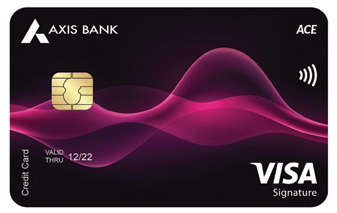
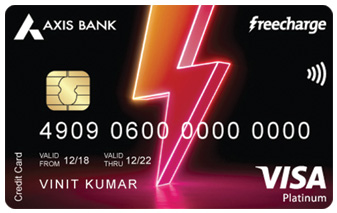
The Axis Bank Ace Visa Signature Credit Card and the Axis Bank Freecharge Plus Credit Card both offer cashback rewards with a 5% rate on specific categories and base cashback rates on other spends. The Ace card focuses on bill payments through Google Pay and popular food and ride services, while the Freecharge Plus card rewards Freecharge spends and local commute. Both cards have similar forex markup fees.
Comparison notes and quick badges use AI, grounded in the benefit data shown in the table. Confirm details on each issuer’s site.
Last updated:
| Feature | Axis Bank Ace Visa Signature Credit Card | Axis Bank Freecharge Plus Credit Card |
|---|---|---|
| Bank | Axis Bank | Axis Bank |
| Network | Visa | Visa |
| Joining fee | Joining Fee of Rs.499 | Joining Fee of Rs.350 |
| Annual / renewal fee | Second Year Onwards Annual Fee of Rs.499 | Second Year Onwards Annual Fee of Rs.350 |
| Annual fee waiver | Spend Rs.2 Lakhs For Annual Fee Waiver | Spend Rs.50000 For Annual Fee Waiver |
| Top reward rate | 5% Cashback on Bill Payments Through Google Pay | 5% Cashback on Freecharge Spends |
| Base rate (other spends) | 1.5% Cashback on Other Eligible Merchants | 1% Cashback on all other spends |
| Lounge — domestic | Enjoy 4 Complimentary Lounge Per Calendar Year | — |
| Fuel surcharge waiver | 1% Fuel Surcharge Waiver | — |
| Foreign currency markup | 3.5% - Foreign Currency Transactions | 3.5% - Foreign Currency Transactions |
For rewards, the Axis Bank Ace Visa Signature Credit Card provides a higher base cashback rate of 1.5% compared to 1% on the Freecharge Plus card, and it also offers 4% cashback on Ola, Swiggy, and Zomato, which can be valuable for frequent users of these services. The Freecharge Plus card offers 5% cashback on Freecharge spends and 2% cashback on local commute, but overall, the Ace card yields about Rs.5,700 annually versus Rs.4,800 on the Freecharge Plus at Rs.20,000 monthly spend. This makes the Ace card more rewarding for a broader range of everyday spends.
Regarding travel benefits, the Axis Bank Ace Visa Signature Credit Card includes 4 complimentary domestic lounge visits per calendar year, which is not listed in our data for the Freecharge Plus card. Both cards have the same 3.5% forex markup fee, so neither has an advantage for foreign currency transactions.
The Axis Bank Freecharge Plus Credit Card has a lower joining and renewal fee of Rs.350 compared to Rs.499 on the Ace card. Additionally, the fee waiver threshold is more accessible on the Freecharge Plus card, requiring spend of Rs.50,000 annually versus Rs.2 lakhs on the Ace card. This makes the Freecharge Plus card more cost-effective for users with moderate annual spends. Both cards waive card replacement and outstation cheque charges and have similar cash advance and cash payment fees.
The Ace card targets users who frequently pay bills via Google Pay and use ride and food delivery services, offering up to 5% cashback in these categories and 1.5% elsewhere. The Freecharge Plus card is more focused on Freecharge platform spends and local commute with 5% and 2% cashback respectively, and a lower 1% base rate.
The fee waiver on the Ace card requires a significantly higher annual spend of Rs.2 lakhs, whereas the Freecharge Plus card waives the Rs.350 annual fee after Rs.50,000 spend, making it easier to avoid fees with moderate usage.
Consider Axis Bank Ace Visa Signature Credit Card if you want higher cashback on a variety of categories including bill payments via Google Pay, food delivery, and ride services, plus the benefit of domestic lounge access. It suits users who can meet the higher Rs.2 lakh annual spend requirement to waive the Rs.499 fee and want a more versatile rewards structure.
Consider Axis Bank Freecharge Plus Credit Card if you prefer a lower joining and renewal fee with a more achievable Rs.50,000 annual spend waiver. It is ideal if your primary spends include Freecharge transactions and local commuting.
The Axis Bank Ace Visa Signature Credit Card has a joining fee of Rs.499, while the Axis Bank Freecharge Plus Credit Card charges Rs.350.
The Axis Bank Ace Visa Signature Credit Card offers 4 complimentary domestic lounge visits per year. Lounge access is not listed in our data for the Freecharge Plus card.
Both cards charge a 3.5% foreign currency transaction markup fee.
The Ace card waives the Rs.499 annual fee if you spend Rs.2 lakhs in a year, while the Freecharge Plus card waives its Rs.350 fee after Rs.50,000 annual spend.
The Axis Bank Ace Visa Signature Credit Card offers 1.5% cashback on other eligible merchants and additional cashback on bill payments, food delivery, and rides, making it generally better for everyday rewards compared to the Freecharge Plus card's 1% base cashback.