Axis Bank Reserve Credit Card vs SBI Card Visa Pulse: Which is Better in 2026?
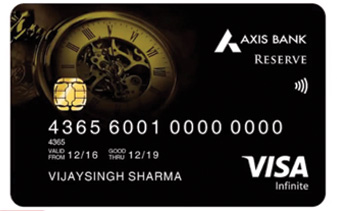 vs
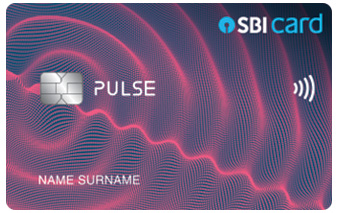
In short: SBI Pulse has the lower annual fee (₹1,499 vs ₹50,000); Axis Reserve includes unlimited domestic & international lounge access, SBI Pulse 8 airport lounge visits a year + Priority Pass; Axis Reserve has the lower forex markup (1.5% vs 3.5%).
| Key facts | Axis Reserve | SBI Pulse |
|---|---|---|
| Annual fee | ₹50,000 | ₹1,499 |
| Joining fee | ₹50,000 | Not listed |
| Annual fee waived | On ₹35 lakh annual spend | On ₹2 lakh annual spend |
| Lounge access | Unlimited domestic & international lounge access | 8 airport lounge visits a year + Priority Pass |
| Forex markup | 1.5% | 3.5% |
From issuer benefit data, checked 22 Oct 2026. Rewards, milestones and welcome benefits are in the full table below.
The Axis Bank Reserve Credit Card and the Sbi Card Visa Pulse cater to different user profiles with distinct fee structures and reward schemes. Axis Bank Reserve is a premium card with a high joining and renewal fee, offering strong rewards on international and rental spends along with unlimited lounge access. In contrast, Sbi Card Visa Pulse has a low annual fee with a welcome gift and rewards focused on specific lifestyle categories like dining and movies, but a higher forex markup fee.
Comparison notes and quick badges use AI, grounded in the benefit data shown in the table. Confirm details on each issuer’s site.
Last updated:
| Feature | Axis Bank Reserve Credit Card | Sbi Card Visa Pulse |
|---|---|---|
| Bank | Axis Bank | SBI Cards |
| Network | Visa | Visa |
| Joining fee | Joining Fee of Rs.50000 | — |
| Annual / renewal fee | Second Year Onwards Annual Fee of Rs.50000 | Annual Fee of Rs.1499 |
| Annual fee waiver | Spend Rs.35 Lakhs For Annual Fee Waiver | Spend Rs.2 Lakhs For Waiver of Renewal Fee |
| Reward rate (headline) | Earn 15 Reward Points Per Rs.200 | Earn 2 Reward Points per Rs.100 |
| Lounge — domestic | Unlimited Domestic Lounge Visits | 8 Complimentary Airport Lounge Access Per Year |
| Lounge — international | Complimentary Priority Pass Membership With Unlimited Visits | Complimentary Priority Pass Membership worth US $99 |
| Welcome benefit | Earn 15000 Reward Points on Card Activation | Get a Noise ColorFit Pulse 2 Max Smart Watch worth Rs.5999 |
| Foreign currency markup | 1.5% - Foreign Currency Transactions | 3.5% - Foreign Currency Transactions |
Which is better for rewards?
For rewards, the Axis Bank Reserve Credit Card offers a higher earning rate with 15 reward points per Rs.200 spent and 30 points on international spends, making it more rewarding for premium and international users. The Sbi Card Visa Pulse provides 2 points per Rs.100 and 10 points per Rs.100 on select categories like dining and movies, which is beneficial for lifestyle-focused spending but overall lower in points accrual. The Axis Bank card is better suited for high spenders seeking premium rewards, while the SBI card targets casual users with category-specific benefits.
Which is better for travel?
In terms of travel benefits, Axis Bank Reserve stands out with unlimited domestic lounge access and complimentary Priority Pass membership with unlimited visits, along with 50 complimentary golf rounds annually. Sbi Card Visa Pulse offers 8 complimentary domestic lounge accesses per year and a Priority Pass membership valued at US $99, which is more limited. The Axis Bank card is clearly superior for frequent travelers who value extensive lounge access and golf privileges.
Which has lower effective cost?
The Axis Bank Reserve Credit Card has a very high joining and renewal fee of Rs.50,000, which can be waived only on spending Rs.35 lakhs annually, making it suitable for very high spenders. The Sbi Card Visa Pulse has a modest annual fee of Rs.1499, waived on Rs.2 lakhs spend, making it more accessible and cost-effective for average users. Forex markup is significantly lower on Axis Bank Reserve at 1.5% compared to 3.5% on the SBI card, which benefits international spenders. Overall, the SBI card is better for low fees and beginners, while Axis Bank is for premium users who can justify the high fees.
Forex Markup Fees
Axis Bank Reserve charges a forex markup fee of 1.5%, which is significantly lower than the 3.5% charged by Sbi Card Visa Pulse. This makes Axis Bank Reserve more suitable for frequent international travelers or those who spend abroad.
Welcome Benefits
Axis Bank Reserve offers 15,000 reward points on card activation, appealing to users who prefer points-based rewards. Sbi Card Visa Pulse provides a tangible welcome gift in the form of a Noise ColorFit Pulse 2 Max Smart Watch worth Rs.5999, which may attract lifestyle-focused customers.
Who should pick Axis Bank Reserve Credit Card?
Consider Axis Bank Reserve Credit Card if you are a high spender looking for premium travel perks like unlimited lounge access and golf rounds, and want strong rewards on international and rental spends. This card suits users who can afford the high joining and renewal fees and want to maximize rewards and luxury benefits.
Who should pick Sbi Card Visa Pulse?
Consider Sbi Card Visa Pulse if you prefer a low-cost credit card with a welcome gift and rewards focused on lifestyle categories such as dining, movies, and wellness. This card is suitable for moderate spenders who want basic travel benefits and easier fee waivers without the need for very high annual spends.
Frequently Asked Questions
Axis Bank Reserve Credit Card has a joining and renewal fee of Rs.50,000, waived on spending Rs.35 lakhs annually. Sbi Card Visa Pulse has an annual fee of Rs.1499, waived on Rs.2 lakhs spend.
Axis Bank Reserve Credit Card offers 30 reward points per Rs.200 on international spends, which is higher than the Sbi Card Visa Pulse's 2 points per Rs.100.
Axis Bank Reserve provides unlimited domestic lounge visits and unlimited Priority Pass visits. Sbi Card Visa Pulse offers 8 complimentary domestic lounge visits and a Priority Pass membership valued at US $99.
Axis Bank Reserve Credit Card charges a forex markup fee of 1.5%, while Sbi Card Visa Pulse charges 3.5% on foreign currency transactions.
Yes, Axis Bank Reserve offers 15,000 reward points on activation, whereas Sbi Card Visa Pulse provides a Noise ColorFit Pulse 2 Max Smart Watch worth Rs.5999.
Sbi Card Visa Pulse is better suited for beginners due to its low annual fee and easier fee waiver criteria, while Axis Bank Reserve is designed for premium users with high spending capacity.